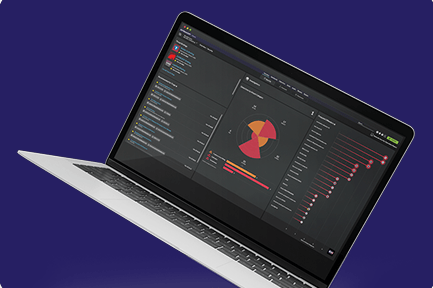

Organizations of every size depend on computer networks to support daily operations, communicate with customers, store sensitive information, and connect employees across multiple locations. As businesses become increasingly digital, cyber threats continue to grow in both volume and sophistication. Attackers no longer rely solely on obvious malware or easily identifiable intrusion attempts. Instead, many use stealthier techniques designed to blend into normal network activity, making them far more difficult to identify before damage occurs. This evolving threat landscape has made continuous monitoring an essential component of cybersecurity, and one of the most important technologies supporting that effort is network threat detection.
Rather than waiting for a security incident to become obvious, network threat detection focuses on identifying suspicious activity as early as possible. By monitoring traffic, devices, user behavior, and communication patterns, organizations can detect indicators of compromise before attackers achieve their objectives. Early detection allows security teams to investigate unusual activity, contain threats, and reduce the potential impact of a cyberattack.
What Is Network Threat Detection?
At its core, network threat detection is the process of continuously analyzing network traffic and system activity to identify behavior that may indicate malicious activity or unauthorized access. Instead of examining only known viruses or malware signatures, modern detection systems evaluate how devices, users, and applications communicate across a network, looking for patterns that differ from expected behavior.
Networks generate enormous amounts of data every day. Employees access cloud applications, transfer files, participate in video meetings, connect mobile devices, and communicate with customers around the world. Within this constant flow of legitimate activity, attackers attempt to hide unauthorized access, data theft, ransomware deployment, credential misuse, or other malicious actions.
Effective detection systems help distinguish ordinary business activity from events that warrant investigation. They do not necessarily determine with certainty that an attack has occurred, but they provide security teams with timely visibility into unusual behavior that may require further analysis.
How Network Threat Detection Works
Modern network threat detection operates by collecting information from multiple sources throughout an organization’s infrastructure. This information may include network traffic, firewall logs, authentication records, endpoint activity, cloud services, switches, routers, and other security technologies.
The first step is data collection. Sensors or monitoring tools observe network communications, recording details about connections between devices, traffic volume, protocols, destinations, and other characteristics. These observations create a detailed picture of how the network normally operates.
Once data has been collected, detection platforms analyze it using a combination of techniques. Signature-based detection compares activity against databases of known malicious indicators such as malware signatures, suspicious domains, or previously identified attack patterns. This approach works well for recognized threats but may not identify entirely new attack methods.
Behavioral analysis adds another layer of protection by establishing a baseline of normal network activity. When systems observe unexpected behavior—such as unusually large data transfers, repeated login failures, communication with unfamiliar locations, or unexpected administrative actions—they generate alerts for further review.
Many modern solutions also incorporate machine learning and advanced analytics. These technologies help identify subtle anomalies that may be difficult for traditional rule-based systems to recognize, improving the ability to detect evolving attack techniques while reducing false positives.
The Types of Threats Detection Systems Can Identify
Network threat detection supports organizations by identifying a wide variety of suspicious activities rather than focusing on a single type of attack. One common example involves unauthorized access attempts. Repeated failed logins, unusual authentication locations, or unexpected privilege changes may indicate credential-based attacks that require investigation.
Malware infections are another major concern. Detection systems can identify communication patterns associated with malicious software, including attempts to contact command-and-control servers or spread laterally across the network.
Ransomware activity often produces recognizable behavioral indicators before widespread encryption occurs. Rapid file modifications, unusual system processes, or unexpected administrative actions may provide early warning signs that allow security teams to respond more quickly.
Data exfiltration also represents a significant risk. Large outbound file transfers, connections to unfamiliar destinations, or unexpected encrypted communications may indicate attempts to remove sensitive information from the organization’s environment.
Insider threats, whether intentional or accidental, can also be identified through behavioral monitoring. Sudden changes in user activity, access to unusual resources, or abnormal working patterns may suggest actions that warrant additional review.
Why Continuous Monitoring Matters
Cybersecurity is no longer limited to protecting a clearly defined network perimeter. Cloud computing, remote work, mobile devices, and connected business applications have expanded the number of locations where sensitive information is processed and stored.
Continuous monitoring allows organizations to maintain visibility across these increasingly complex environments. Rather than performing occasional security checks, detection systems operate around the clock, helping identify suspicious activity regardless of when or where it occurs.
This ongoing visibility improves incident response by reducing the time between an attack and its discovery. Security professionals often refer to this period as “dwell time”—the amount of time an attacker remains undetected within a network. Shorter dwell times generally reduce opportunities for attackers to move laterally, escalate privileges, or access additional sensitive systems.
Continuous monitoring also supports regulatory compliance by helping organizations demonstrate ongoing security oversight and providing detailed records that assist during investigations or audits.
Understanding the Value of Network Threat Detection
Implementing network threat detection provides organizations with greater visibility into their digital environments and strengthens their overall cybersecurity posture. Rather than relying exclusively on preventive controls such as firewalls or antivirus software, detection capabilities acknowledge that some threats may bypass initial defenses.
By identifying suspicious behavior early, organizations gain valuable time to investigate alerts, isolate affected systems, and reduce the impact of security incidents. This layered approach reflects modern cybersecurity best practices, where prevention, detection, response, and recovery work together to improve resilience against evolving threats.
As cybercriminals continue developing more sophisticated attack methods, the ability to recognize unusual activity quickly becomes increasingly important for protecting business operations and sensitive information.
Building an Effective Detection Strategy
Technology alone cannot provide complete protection. Successful network threat detection depends on thoughtful planning, ongoing maintenance, and well-defined security processes. Organizations should begin by understanding their own network architecture, critical business assets, and normal patterns of activity before implementing detection tools.
Proper configuration is essential. Monitoring systems should collect relevant data from across the environment while minimizing unnecessary noise that could overwhelm security teams with excessive alerts. Regular tuning helps improve accuracy as business operations evolve.
Skilled analysts also play an important role. Automated systems generate alerts, but experienced security professionals evaluate context, investigate suspicious activity, and determine whether incidents require further action. Combining automation with human expertise produces more effective results than relying exclusively on either approach.
Organizations should also establish documented incident response procedures so that identified threats can be investigated and contained efficiently. Detection without a clear response plan limits the value of even the most advanced monitoring technologies.
Preparing for an Evolving Threat Landscape
Cyber threats continue changing as attackers develop new techniques and organizations adopt emerging technologies. Artificial intelligence, cloud computing, Internet of Things devices, and increasingly interconnected systems create new opportunities while also expanding the attack surface that defenders must protect.
Modern detection platforms continue evolving to address these challenges through improved analytics, enhanced automation, and stronger integration with broader security ecosystems. At the same time, organizations increasingly recognize that cybersecurity is an ongoing process requiring continuous improvement rather than a one-time technology investment.
Regular security assessments, employee awareness training, vulnerability management, and layered defensive controls all complement network monitoring by reducing opportunities for attackers while strengthening detection capabilities.
Early Visibility Strengthens Cybersecurity
Protecting modern networks requires more than preventing attacks—it requires identifying suspicious activity quickly when prevention alone is not enough. Network threat detection provides organizations with the visibility needed to recognize unusual behavior, investigate potential incidents, and respond before attackers achieve their objectives.
As digital environments continue growing in complexity, continuous monitoring has become an essential component of effective cybersecurity strategies. By combining behavioral analysis, signature detection, advanced analytics, skilled security professionals, and well-defined response processes, organizations can improve their ability to identify evolving threats while supporting business continuity. Although no security solution can eliminate every cyber risk, effective network threat detection significantly enhances an organization’s ability to detect, understand, and respond to malicious activity before it develops into a larger security incident.

 By
By