
A solid plumbing plan starts with understanding a home’s water entry, supply lines, and drainage paths. Homeowners should choose durable pipes and embrace flexible configurations that support modernization. Early problem spotting matters: watch for pressure changes, damp ceilings, and unfamiliar sounds. Distinguish partial leaks and slow clogs from full blockages, and act promptly to limit damage. A basic toolkit and routine maintenance matter, yet some tasks demand professional help to avoid costly mistakes. The next steps matter.
What Every Homeowner Should Know About Plumbing Basics
Plumbing basics form the foundation of reliable home maintenance, encompassing a clear understanding of how water enters, travels, and exits a residence.
The discussion emphasizes drainage basics and pipe materials, highlighting practical choices and durable configurations.
With a practical lens, the guidance remains concise: know system paths, assess material suitability, and plan for safe, flexible handling while preserving freedom to modernize and maintain efficiency.
Spot Common Problems Early and What They Mean
Spotting problems early reduces collateral damage and repair costs.
In practical terms, homeowners should monitor patterns: sudden water pressure drops, damp ceilings, or unexplained sounds signal potential issues.
Spotting early leaks enables swift containment, while interpreting clogs signals helps distinguish partial blockages from full stoppages.
Early awareness supports safer, freer living, reducing disruption and costly repairs over time.
Tools, Fixes, and When a Pro Is Smarter Than DIY
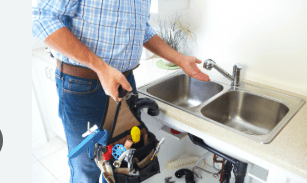
Homeowners can tackle many common tasks with the right toolkit and methodical steps, building on the early-warning mindset from the previous section. Tools, fixes, and decisions about when to hire a pro require sober assessment: evaluate complexity, safety, and potential consequences.
Prioritize tools maintenance, budgetically track fixes budgeting, and reserve professional input for high-risk or unclear repairs to protect freedom and systems.
Maintenance Habits to Prevent Leaks and Waste
Maintaining a disciplined routine for fixtures, fittings, and routine checks markedly reduces the risk of leaks and wasted water.
Regular inspections catch wear before failure, ensuring reliable operation and lower costs.
Tighten connections, replace worn washers, and test pressure periodically.
Document findings for accountability.
Emphasize leak prevention and waste reduction to empower homeowners with confident, self-reliant maintenance.
See also: Bitcoin Halving Explained: What It Means
Frequently Asked Questions
How Often Should a Professional Inspection Be Scheduled?
A professional inspection should be scheduled annually. This professional inspection frequency supports a steady Plumbing maintenance cadence, enabling proactive fixes. The homeowner inspect schedule should align with seasons, providing early detection of leaks and system wear.
What’s the Cost Range for Common Plumbing Fixes?
The cost range for common fixes varies, roughly a few hundred to a few thousand dollars, depending on scope; professional inspection costs are separate. It’s practical: accurate quotes, planned repairs, and transparent budgeting guide cautious homeowners toward freedom.
How Can I Detect Hidden Leaks in Walls?
Hidden leaks can be detected by monitoring sudden increases in consumption, listening for hollow sounds in walls, and using infrared cameras; wall moisture flags hidden leaks behind drywall, under cabinets, or in studs, warranting thorough inspection and targeted remediation.
Do Uniforms Warranties Cover DIY Versus Pro Repairs?
Uniform warranties generally exclude DIY coverage; professional repairs are typically required, with warranty exclusions noted. The policy may vary, but disclaimers often limit claims for self-installed components, emphasizing that professionally completed work preserves warranty protections and freedom from leaks.
What Are Quiet Signs of Pipe Corrosion?
Whispering corrosion presents as faint, metallic tapping and reduced water pressure, while silent leaks manifest through unexplained dampness and minor increases in utility bills. The character notes cautious inspection, proactive testing, and timely professional evaluation to prevent sudden failures.
Conclusion
In the quiet architecture of a home, plumbing is the unseen river that sustains daily life. Symbols of vigilance—pressure gauges as heartbeat, a shut-off valve like a doorway, a drip as a patient whisper—remind caretakers to read the system’s moods. When symptoms appear, respond with measured care: isolate, assess, and call when needed. With careful upkeep, the pipes hum softly, delivering reliability; neglect, and even small leaks rewrite the story into costly, wandering waste.
 By
By
 By
By