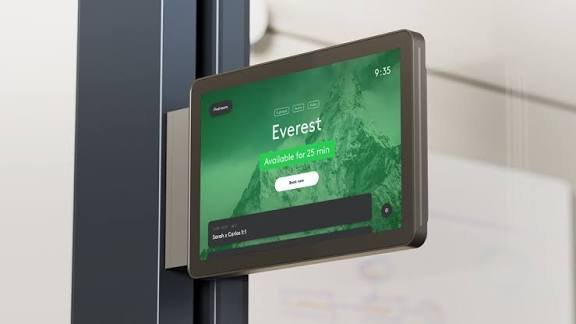

With numerous room booking platforms available in the market, organizations evaluating this technology benefit from a structured comparison approach, helping ensure the selected system genuinely matches their specific operational needs.
Starting With a Clear Understanding of Your Requirements
Before comparing specific platforms, clearly documenting your organization’s actual requirements, including the number of rooms needing management, existing tool integration needs, and any specific features particularly important to your operations, provides essential grounding for evaluating whether a specific room booking system genuinely fits your situation.
Evaluating Ease of Use for Everyday Employees
Since a room booking system’s success depends heavily on actual employee adoption, prioritizing genuine ease of use during your evaluation matters considerably, since even a feature-rich platform provides limited value if employees find it confusing or cumbersome to use for everyday bookings.
Confirming Integration Capability With Existing Tools
Thoroughly verifying that a potential system genuinely integrates with your organization’s existing calendar and communication tools represents an essential evaluation step, since poor integration significantly undermines both convenience and actual adoption rates.
Assessing Scalability for Future Growth
Considering whether a potential system can scale appropriately alongside your organization’s potential future growth, whether adding more rooms, locations, or users, helps avoid the disruption of needing to switch systems entirely as your needs evolve.
Understanding Available Reporting and Analytics Features
Evaluating what reporting and utilization analytics capabilities a system offers helps you understand whether you’ll have access to the data needed for informed future space planning decisions, beyond simply the basic booking functionality itself.
Considering Mobile Access and Flexibility
Given how much scheduling activity happens through mobile devices, confirming that a potential system offers genuinely capable mobile access, not just a basic mobile-adapted version of the desktop interface, supports the flexible booking behavior common in modern workplaces.
Evaluating Vendor Support and Implementation Assistance
Understanding what implementation support and ongoing customer service a vendor provides helps set appropriate expectations for how smoothly your transition to the new system will proceed, and how well-supported you’ll be if issues arise after implementation.
Requesting Demonstrations and Trial Periods
Whenever possible, requesting product demonstrations or trial access before finalizing your decision provides invaluable firsthand insight into how a specific system actually performs, supporting more confident final selection compared to relying purely on marketing materials and specification sheets.
Conclusion
Choosing the right room booking system involves systematic evaluation across ease of use, integration capability, scalability, and available support, rather than focusing on any single factor in isolation. This structured comparison approach supports selecting technology genuinely suited to your organization’s specific operational needs.
FAQs
Q1: What should I document before comparing different room booking systems? Clearly establish your actual requirements, including number of rooms needing management, existing tool integration needs, and any particularly important specific features for your operations.
Q2: Why does ease of use matter so much in system selection? Success depends heavily on actual employee adoption, and even a feature-rich platform provides limited value if employees find it confusing or cumbersome to use for everyday bookings.
Q3: Should I request a demonstration before finalizing my system choice? Yes, whenever possible, product demonstrations or trial access provide invaluable firsthand insight supporting more confident selection compared to relying purely on marketing materials.
 By
By


 By
By