
Introduction
Modern industries continuously search for advanced materials that can improve product performance, durability, stability, and manufacturing efficiency. Among the many specialty materials used today, fumed silica has become an important component in numerous industrial formulations because of its unique physical and chemical properties. Produced through a high-temperature flame process, this extremely fine form of silicon dioxide offers excellent thickening ability, reinforcement properties, surface modification capabilities, and stability.
The wide range of applications of fumed silica has made it valuable across industries such as coatings, adhesives, pharmaceuticals, cosmetics, electronics, construction, and automotive manufacturing. Its nanoscale particle structure and high surface area allow it to interact effectively with different materials, improving their functional performance.
As industries demand products with better quality, longer service life, and improved processing characteristics, the use of fumed silica continues to expand. Understanding its properties and industrial applications helps manufacturers identify opportunities to improve their formulations and develop advanced solutions.
Understanding Fumed Silica and Its Unique Properties
What Is Fumed Silica?
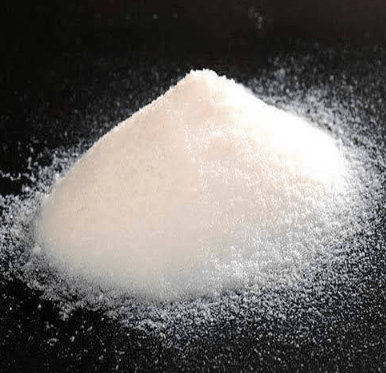
Fumed silica is a highly pure silicon dioxide material created through the hydrolysis of silicon compounds in a flame environment. This manufacturing process produces extremely small particles with a three-dimensional structure.
Unlike traditional silica materials, fumed silica has a very high surface area and unique particle arrangement. These characteristics allow it to provide strong interactions when added to liquid, solid, and composite materials.
Because of its exceptional performance, fumed silica is considered a multifunctional additive rather than simply a filler material.
Key Properties of Fumed Silica
Several properties make fumed silica suitable for advanced industrial applications:
- High surface area
- Excellent chemical stability
- Strong thickening ability
- Reinforcement capability
- Moisture absorption characteristics
- Thermal stability
- Improved flow control
These features allow manufacturers to modify material behavior and achieve specific performance improvements.
Major Applications of Fumed Silica
Coatings and Paint Industry
One of the most important applications of fumed silica is in protective coatings and paints. Coating manufacturers use it to improve viscosity control, prevent settling, and enhance surface performance.
Improving Coating Stability
Pigments and other solid components in coatings may settle during storage. Fumed silica helps maintain uniform dispersion by creating a network structure within the coating system.
This improves storage stability and ensures consistent application quality.
Enhancing Surface Properties
Fumed silica can improve scratch resistance, durability, and overall coating appearance. It also contributes to better flow control during application.
In advanced protective coatings, silica additives help create stronger films that resist environmental damage.
Adhesives and Sealants
The adhesive industry relies heavily on fumed silica because of its ability to modify flow behavior and improve mechanical performance.
Improving Viscosity Control
Many adhesives require controlled thickness to ensure proper application. Fumed silica increases viscosity without significantly affecting other properties.
This helps prevent dripping and improves handling during manufacturing and use.
Increasing Strength and Durability
Fumed silica can reinforce adhesive structures by improving internal bonding. This results in stronger connections and better resistance against mechanical stress.
Applications include construction adhesives, automotive bonding systems, and industrial sealants.
Pharmaceutical Applications
The pharmaceutical industry uses fumed silica as a functional ingredient in various formulations.
Improving Powder Flow
Many pharmaceutical powders experience handling difficulties because of poor flow characteristics. Fumed silica improves powder movement during processing and manufacturing.
This helps ensure accurate dosing and efficient production.
Supporting Stability
Fumed silica can absorb moisture and help maintain product quality in certain pharmaceutical formulations.
Its high purity and stability make it suitable for controlled applications where material safety is important.
Cosmetics and Personal Care Products
Fumed silica is widely used in cosmetic formulations because of its ability to modify texture and improve product performance.
Enhancing Product Texture
Cosmetic manufacturers use fumed silica to create smooth, lightweight textures in products such as creams, powders, and makeup formulations.
It helps improve the feel and spreadability of personal care products.
Oil Absorption Properties
Due to its surface characteristics, fumed silica can absorb excess oils and improve the appearance and performance of cosmetic products.
This makes it useful in products designed for better skin feel and longer-lasting effects.
Rubber and Polymer Industry
The polymer industry uses fumed silica as a reinforcing additive to improve material performance.
Increasing Mechanical Strength
When incorporated into rubber and polymer systems, fumed silica can enhance tensile strength, tear resistance, and durability.
These improvements are valuable in applications such as tires, industrial seals, and flexible components.
Improving Material Performance
Fumed silica helps optimize polymer structures by improving reinforcement and stability. This allows manufacturers to create products with improved resistance against wear and environmental conditions.
Electronics and Advanced Materials
The electronics industry requires materials with excellent stability, insulation properties, and reliability. Fumed silica contributes to the development of advanced electronic materials.
It is used in applications such as:
- Encapsulation materials
- Insulating compounds
- Electronic adhesives
- Protective coatings
Its thermal stability and reinforcement properties support improved electronic component performance.
Construction Materials
Construction industries use fumed silica to enhance the performance of cement-based materials and specialty products.
Improving Concrete Performance
Fumed silica can improve concrete strength by influencing particle packing and reducing structural weaknesses.
It helps create denser materials with improved durability and resistance to environmental exposure.
Enhancing Building Materials
It is also used in specialized construction products such as sealants, coatings, and repair materials where improved strength and stability are required.
Automotive Applications
The automotive sector benefits from fumed silica in coatings, adhesives, rubber components, and composite materials.
Vehicle manufacturers require lightweight and durable materials that can withstand mechanical stress, temperature changes, and environmental exposure.
Fumed silica contributes to improved performance in various automotive systems, helping manufacturers develop stronger and more reliable components.
Factors Affecting Fumed Silica Performance
Particle Size and Surface Area
The effectiveness of fumed silica depends strongly on particle characteristics. Smaller particles and higher surface areas generally provide stronger interactions with surrounding materials.
Surface Treatment
Surface modification can change how fumed silica interacts with different formulations. Treated silica grades are developed to improve compatibility with specific materials.
Proper Dispersion
Uniform dispersion is essential to achieve maximum benefits. Poor mixing can reduce performance and create inconsistent results.
Manufacturers must select suitable processing methods to ensure effective integration.
Future Growth of Fumed Silica Technology
The demand for high-performance materials continues to increase across multiple industries. As manufacturers focus on improving efficiency, sustainability, and product quality, the role of specialty additives like fumed silica is expected to expand.
Research is focusing on developing customized silica grades with improved compatibility, better environmental performance, and enhanced functionality.
Companies exploring advanced material solutions can learn more about the applications of fumed silica to understand how this versatile material supports different industrial innovations.
FAQs
1. What are the main applications of fumed silica?
Fumed silica is used in coatings, adhesives, sealants, pharmaceuticals, cosmetics, polymers, electronics, construction materials, and automotive products due to its reinforcing and stabilizing properties.
See also: How a Car Accident Lawyer Centennial Can Help After a Serious Crash
2. Why is fumed silica used in coatings?
Fumed silica improves coating stability, viscosity control, surface quality, and resistance against environmental damage, making it valuable in protective and decorative coating systems.
3. Is fumed silica safe for industrial use?
Fumed silica is widely used in many industrial applications when handled according to appropriate safety guidelines and manufacturing standards.
Conclusion
Fumed silica has become an essential material across modern industries because of its ability to improve product performance and manufacturing efficiency. Its unique nanoscale structure provides valuable benefits, including reinforcement, thickening, stability enhancement, and improved durability.
From advanced coatings and adhesives to pharmaceuticals, electronics, construction, and automotive applications, the versatility of fumed silica continues to drive innovation. As industries move toward higher-performance and more sustainable materials, the applications of fumed silica are expected to grow further, supporting the development of next-generation products and technologies.

 By
By


 By
By