
Gas and steam turbines operate under demanding conditions where even the smallest loss of pressure can reduce efficiency, increase fuel consumption, and accelerate component wear. As industries continue to seek higher performance and lower operating costs, advanced sealing technologies have become an essential part of turbine engineering. Among the most effective sealing solutions available today are brush seals, which are designed to minimize leakage while maintaining durability under varying operating conditions.
Unlike traditional sealing methods, brush seals offer greater flexibility and improved contact with rotating surfaces. Their innovative design allows turbines to maintain tighter clearances, helping operators improve efficiency without compromising reliability. This article explores how brush seals work, their advantages, applications, and why they have become an important component in modern turbine systems.
What Are Brush Seals?
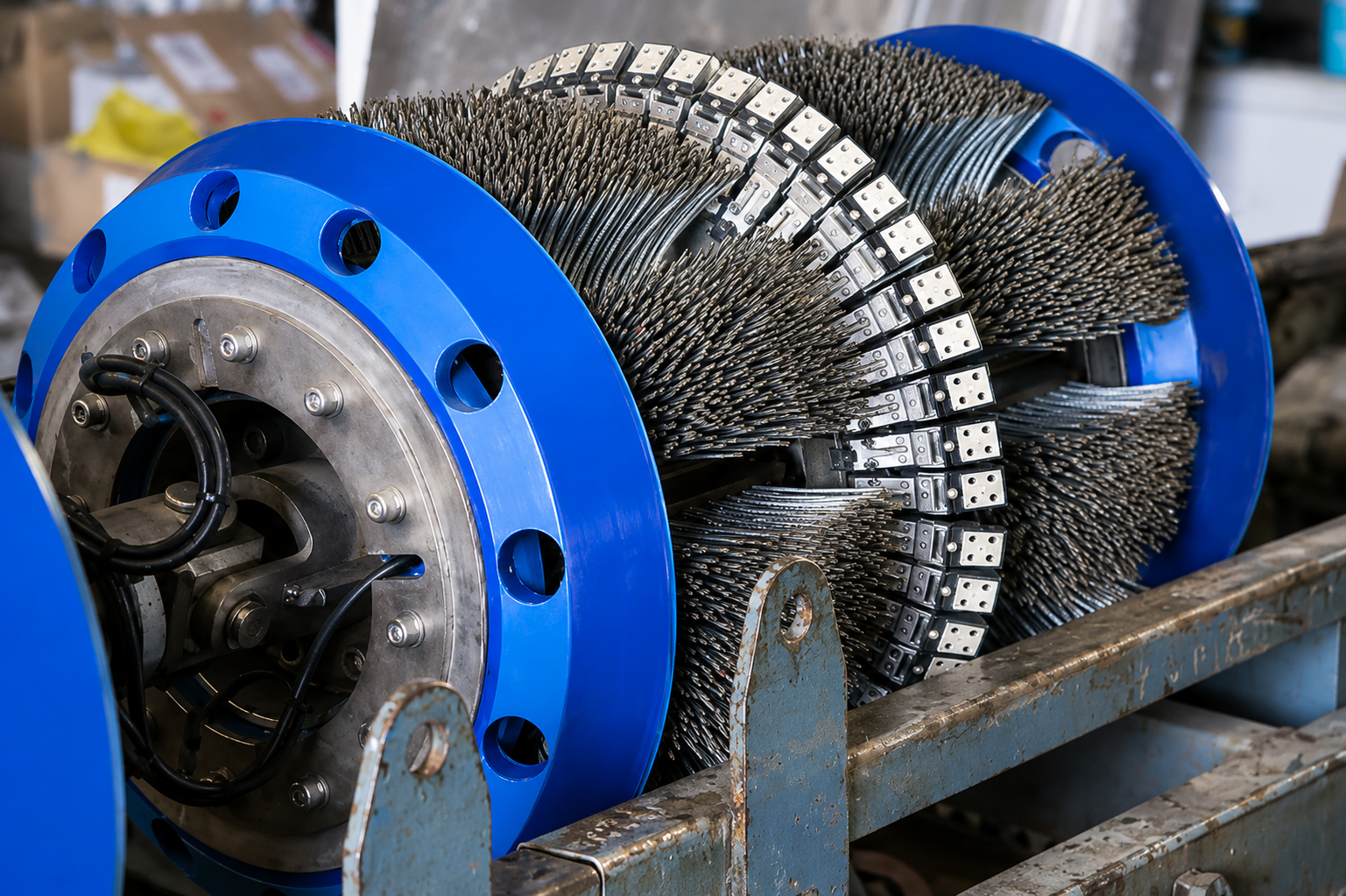
A brush seal is a specialized sealing device consisting of densely packed metallic bristles held between two retaining plates. These flexible bristles create a controlled barrier between rotating and stationary turbine components.
Unlike rigid labyrinth seals, brush seals adapt to minor shaft movements and thermal expansion. The flexible construction enables continuous sealing while reducing leakage and accommodating operational changes that naturally occur during turbine operation.
Because they provide consistent sealing performance, brush seals are commonly installed in compressors, turbines, steam turbines, industrial gas turbines, and aerospace engines.
See also: BMW AC Compressor: How It Keeps Your BMW Comfortable in Every Season
Why Effective Turbine Sealing Matters
Every turbine relies on maintaining controlled airflow or steam flow throughout its stages. Leakage reduces pressure, decreases efficiency, and forces equipment to work harder to achieve desired output.
Effective sealing helps achieve several operational goals:
- Improve overall turbine efficiency
- Reduce energy losses
- Lower fuel consumption
- Minimize emissions
- Increase equipment reliability
- Extend maintenance intervals
- Protect expensive rotating components
When sealing performance improves, operators often experience measurable gains in power generation and operational stability.
How Brush Seals Improve Turbine Performance
One of the primary advantages of brush seals is their ability to significantly reduce leakage compared to conventional labyrinth seals.
The flexible bristle pack lightly contacts the rotating shaft while maintaining minimal friction. This allows the seal to:
- Adapt to shaft movement
- Compensate for thermal growth
- Handle vibration
- Maintain tighter sealing throughout operation
These characteristics result in improved pressure retention across turbine stages, which directly contributes to higher efficiency.
Because leakage is reduced, turbines require less energy to achieve the same operating output.
Advantages Over Traditional Sealing Technologies
Traditional labyrinth seals rely on multiple grooves to restrict airflow rather than completely preventing leakage. Although effective in many applications, they typically allow more leakage than brush seals.
Some key advantages include:
Better Leakage Control
Brush seals can reduce leakage by a significant margin compared to conventional labyrinth designs, improving turbine efficiency.
Greater Operational Flexibility
The flexible bristles respond well to shaft movement caused by temperature fluctuations, startup, shutdown, and load changes.
Improved Durability
Modern brush seal materials are engineered to withstand high temperatures, pressure differences, and continuous operation.
Lower Maintenance Costs
Reduced leakage often leads to less wear on surrounding components, decreasing maintenance frequency and extending service life.
Higher Overall Efficiency
Even small reductions in leakage can result in noticeable improvements in turbine performance over extended operating periods.
Materials Used in Brush Seal Manufacturing
Brush seals must withstand demanding environments involving high temperatures, pressure differentials, and continuous rotational forces.
Common materials include:
- Cobalt-based alloys
- Nickel-based superalloys
- Stainless steel bristles
- High-temperature backing plates
- Wear-resistant retaining components
Material selection depends on turbine operating temperatures, pressure requirements, rotational speed, and environmental conditions.
Applications Across Industrial Turbines
Brush seals are widely used across numerous industries where turbines play a critical role.
Typical applications include:
Gas Turbines
Gas turbines benefit from improved airflow management, reduced leakage, and increased fuel efficiency.
Steam Turbines
Steam turbines use brush seals to reduce steam bypass while improving stage efficiency and operational reliability.
Aircraft Engines
Aerospace applications require lightweight yet highly durable sealing systems capable of operating under extreme temperatures.
Industrial Compressors
Compressors benefit from improved pressure retention and reduced energy consumption through advanced sealing technology.
Power Generation Facilities
Power plants rely on efficient turbine operation to maximize electricity production while minimizing operating expenses.
Integration with Advanced Sealing Systems
Modern turbine manufacturers often combine brush seals with other sealing technologies to achieve optimal performance.
For example, honeycomb seals are frequently paired with brush seals in high-performance turbine stages. The honeycomb structure helps absorb contact energy while enhancing overall sealing effectiveness under demanding operating conditions.
Using multiple sealing technologies together allows engineers to optimize leakage control throughout different turbine sections.
Supporting Stationary Components
While rotating parts often receive the most attention, fixed components also require effective sealing to maintain pressure integrity.
Proper stationary parts sealing helps prevent pressure losses between stationary and rotating assemblies. This contributes to improved efficiency while reducing unnecessary stress on turbine components.
Well-designed stationary sealing systems complement brush seals by ensuring that leakage paths remain minimized throughout the machine.
Importance of Seal Clearance Management
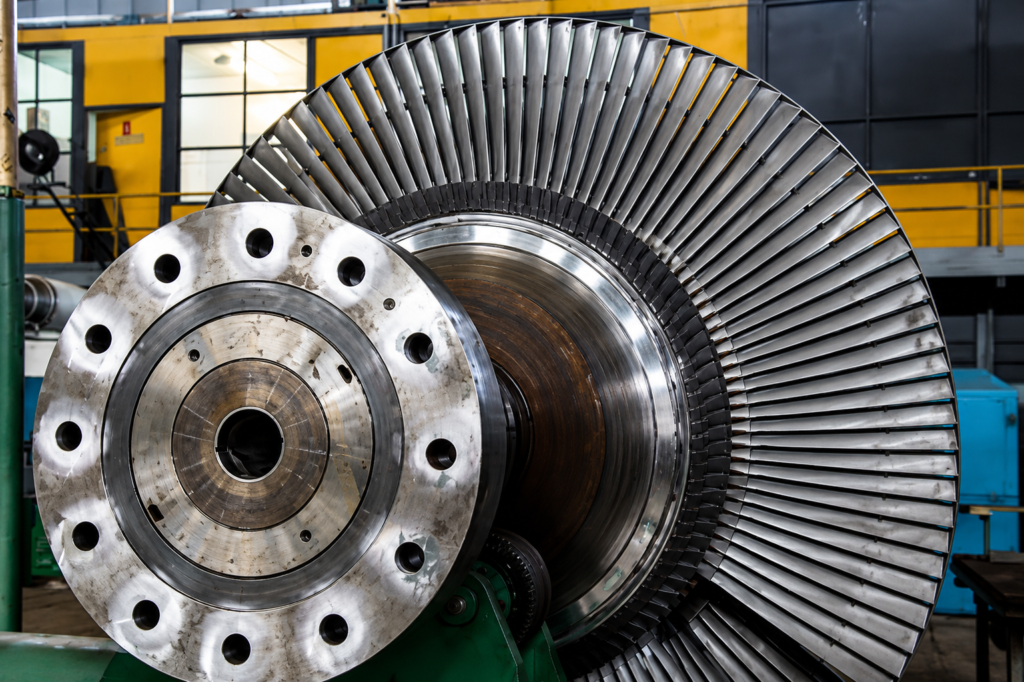
One of the most significant factors affecting turbine efficiency is maintaining optimal clearances between rotating and stationary parts.
Advanced engineering techniques focus on seal clearance reductions to minimize leakage without causing excessive contact or wear.
Brush seals naturally support reduced clearances because their flexible bristles can accommodate slight shaft movement while maintaining an effective sealing interface.
This capability allows turbines to operate closer to ideal design conditions.
Additional Sealing Solutions
Certain turbine configurations may incorporate cloth side seals in specific locations where flexible sealing is required to improve airflow management and reduce secondary leakage.
These specialized sealing solutions are selected based on equipment design, operating environment, and maintenance requirements.
When integrated appropriately, they contribute to the overall effectiveness of the turbine sealing system.
Factors to Consider When Selecting Brush Seals
Selecting the right sealing solution requires careful evaluation of operating conditions.
Important considerations include:
- Operating temperature
- Pressure differential
- Shaft speed
- Rotor movement
- Thermal expansion
- Material compatibility
- Maintenance requirements
- Expected operating life
Engineering teams often conduct performance analysis before selecting the appropriate seal configuration for a specific turbine application.
Maintenance Best Practices
Although brush seals are designed for long service life, routine inspections remain important for maintaining performance.
Recommended maintenance practices include:
- Inspect bristle condition during scheduled outages.
- Check for uneven wear patterns.
- Verify rotor alignment.
- Monitor vibration levels.
- Evaluate clearance measurements.
- Replace worn seals before excessive leakage develops.
Preventive maintenance helps preserve turbine efficiency while avoiding costly unplanned downtime.
Future Developments in Turbine Sealing
As turbine technology continues to evolve, sealing systems are becoming increasingly sophisticated.
Emerging developments include:
- Advanced superalloy materials
- Improved manufacturing precision
- Enhanced wear-resistant coatings
- Computational fluid dynamics optimization
- Additive manufacturing techniques
- Smarter condition monitoring systems
These innovations are expected to further improve turbine efficiency while extending component life and reducing operational costs.
Conclusion
Efficient turbine operation depends on minimizing leakage and maintaining reliable sealing under demanding operating conditions. Brush seals have become one of the most effective solutions for achieving these goals by providing superior leakage control, accommodating shaft movement, and improving overall turbine efficiency. Their ability to outperform many conventional sealing methods makes them an essential component in modern gas turbines, steam turbines, compressors, and aerospace engines.
As industries continue to pursue higher efficiency, lower emissions, and improved equipment reliability, advanced sealing technologies will remain a key area of innovation. Investing in high-quality sealing solutions and proper maintenance practices helps operators maximize performance, reduce energy losses, and extend the service life of valuable turbine assets.
 By
By