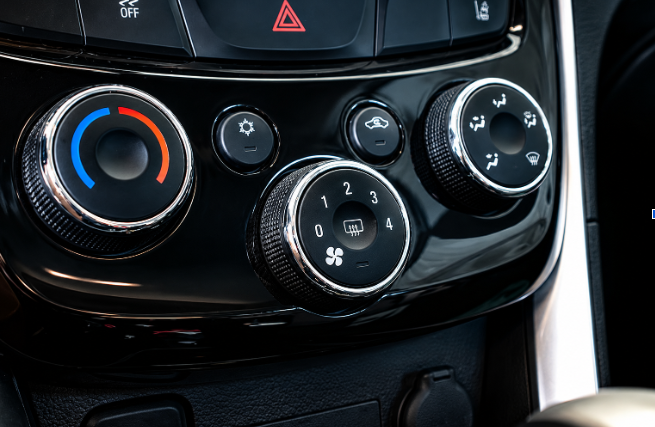

A comfortable cabin is something every BMW owner values, especially when driving through a varied climate. Whether you are navigating busy city streets during summer or travelling long distances in warmer regions, the air conditioning system plays a major role in driving comfort. At the centre of that system is the BMW AC compressor, which circulates refrigerant and allows the cooling process to function efficiently.
Understanding how this component works, recognising signs of wear, and following simple maintenance practices can help extend the life of your vehicle’s air conditioning system while avoiding unnecessary repairs.
What Does an Air Conditioning Compressor Do?
An air conditioning compressor is often described as the heart of the vehicle’s cooling system. It compresses refrigerant gas and moves it through the air conditioning circuit, allowing heat to be removed from the cabin.
Without a properly functioning compressor, the entire system loses its ability to produce cool air. Every part of the air conditioning system depends on consistent refrigerant circulation to operate effectively.
Modern BMW vehicles are designed with advanced climate control systems, making compressor performance even more important for maintaining precise cabin temperatures.
See also: Home Gym Assembly Services: The Smart Way to Build Your Fitness Space
Why BMW Air Conditioning Systems Are Different
BMW engineers design climate control systems to deliver consistent comfort regardless of outside temperatures. Unlike many standard vehicles, BMW models often include:
Dual-Zone Climate Control
Drivers and passengers can select individual temperature settings, improving overall comfort.
Automatic Temperature Regulation
Sensors continuously monitor cabin conditions and adjust cooling output automatically.
Efficient Refrigerant Management
BMW systems are engineered to maximise cooling performance while reducing unnecessary energy consumption.
Because these systems are highly sophisticated, maintaining every component becomes essential for long-term reliability.
Common Causes of Compressor Problems
Although BMW air conditioning systems are built for durability, several factors can affect compressor performance over time.
Normal Wear
Internal moving parts gradually wear after years of operation.
Refrigerant Leaks
Low refrigerant levels reduce lubrication inside the compressor, increasing internal friction.
Moisture Contamination
Water entering the system may cause corrosion and damage sensitive components.
Dirty Condenser
A blocked condenser forces the compressor to work harder than necessary.
Electrical Faults
Modern compressors rely on electrical controls that may occasionally develop faults. Understanding these issues early can help prevent more extensive repairs later.
Signs Your bmw ac compressor May Need Attention
Drivers should watch for several warning signs that indicate the compressor may not be performing properly.
Weak Cooling
Air from the vents feels warmer than expected even when the system is set to its lowest temperature.
Unusual Noises
Grinding, squealing or rattling sounds may indicate worn bearings or internal damage.
Compressor Not Engaging
The compressor clutch may fail to engage due to electrical faults or pressure-related problems.
Inconsistent Cabin Temperature
Cooling performance may fluctuate during driving.
Visible Refrigerant Leaks
Oily residue around air conditioning components often indicates refrigerant leakage.
Ignoring these symptoms may allow minor issues to become major repairs.
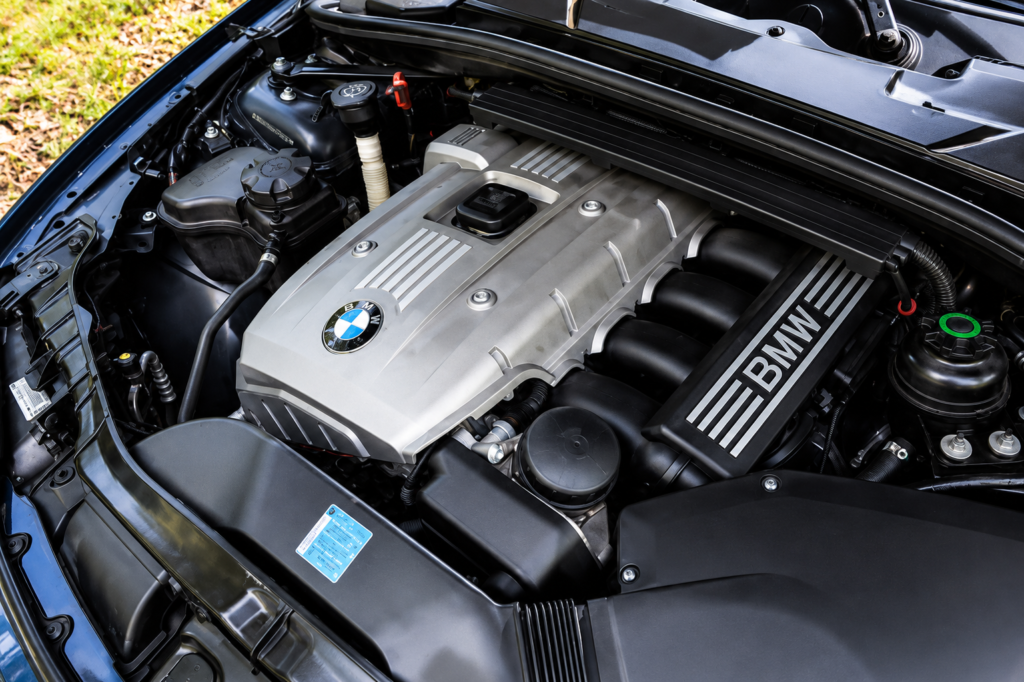
Understanding the bmw air conditioner compressor
The bmw air conditioner compressor is specifically engineered to match the cooling demands of BMW vehicles. It works with electronic controls, sensors and climate management systems to maintain accurate temperature settings while supporting efficient engine performance.
Using quality replacement components that meet manufacturer specifications helps preserve cooling efficiency and ensures compatibility with the vehicle’s existing air conditioning system.
Preventative Maintenance Tips
Routine maintenance remains the most effective way to maximise compressor lifespan.
Operate the Air Conditioning Regularly
Running the air conditioning for several minutes every week helps circulate lubricant through the compressor and keeps seals from drying out.
Replace Cabin Air Filters
A clean cabin filter improves airflow and reduces unnecessary strain on the cooling system.
Check Refrigerant Levels
Maintaining the correct refrigerant charge supports efficient operation and proper lubrication.
Inspect Drive Belts
Loose or worn belts can affect compressor performance and should be replaced when necessary.
Schedule Regular Inspections
Professional inspections can identify small problems before they develop into costly failures.
Why Compressor Maintenance Matters in Australia
Australian driving conditions can place additional demands on vehicle air conditioning systems.
High Summer Temperatures
Extended periods of extreme heat require the compressor to operate for longer durations.
Long-Distance Driving
Continuous operation during highway travel increases overall system workload.
Dusty Conditions
Dust and debris may reduce condenser efficiency, forcing the compressor to work harder.
Coastal Environments
Salt exposure can accelerate corrosion of air conditioning components if maintenance is neglected.
Regular servicing helps ensure reliable cooling performance regardless of local driving conditions.
Can a Faulty Compressor Affect Fuel Efficiency?
Yes. A failing compressor can increase engine load as it struggles to operate efficiently. When the compressor experiences internal resistance or mechanical damage, the engine may consume additional fuel while attempting to maintain air conditioning performance.
Maintaining the system in good condition supports smoother engine operation and consistent efficiency.
Repair or Replace?
The best solution depends on the condition of the compressor.
Repairs may be suitable when:
- Minor electrical components have failed.
- The clutch assembly requires replacement.
- Small refrigerant leaks have been identified.
Replacement is often recommended when:
- Internal compressor damage has occurred.
- Metal debris has contaminated the system.
- Severe bearing failure is present.
- The compressor has experienced complete mechanical failure.
A qualified technician can inspect the system and recommend the most appropriate solution.
Choosing Quality Replacement Parts
When replacing air conditioning components, selecting quality parts helps maintain the performance expected from a premium vehicle.
Consider the following:
- Compatibility with your BMW model.
- Reliable manufacturing standards.
- Correct refrigerant specifications.
- Warranty support where available.
- Installation by experienced technicians.
High-quality components contribute to long-term system reliability and consistent cabin comfort.
Protecting Your BMW’s Cooling System
Simple habits can reduce unnecessary stress on the air conditioning system.
- Park in shaded areas whenever possible.
- Open windows briefly before switching on the air conditioning after the vehicle has been sitting in the sun.
- Avoid running maximum cooling continuously when moderate settings are sufficient.
- Have the entire air conditioning system serviced according to recommended maintenance intervals.
- Address unusual noises or reduced cooling performance promptly.
These preventative measures can help extend the lifespan of important air conditioning components.
Conclusion
A properly functioning bmw ac compressor is essential for maintaining the premium comfort and performance BMW drivers expect. By understanding how the system works, recognising early warning signs and following routine maintenance practices, owners can improve reliability while reducing the risk of unexpected repairs.
Regular inspections, quality replacement components and timely servicing all contribute to dependable air conditioning performance, ensuring comfortable driving throughout changing seasons.

 By
By