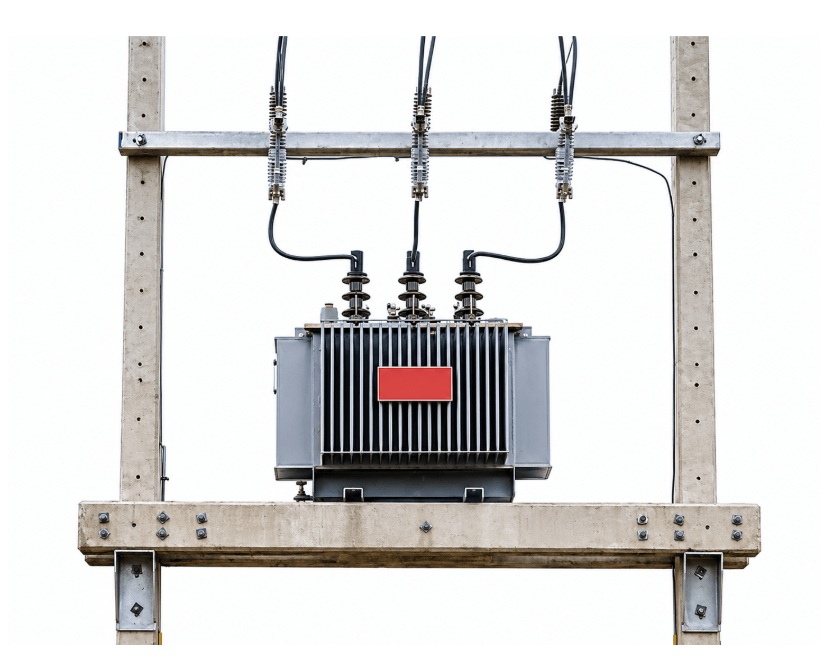

Modern industries, commercial facilities, and utility networks rely on dependable electrical infrastructure to maintain continuous operations. At the center of this infrastructure is the three phase distribution transformer, a critical component that efficiently transfers electrical energy from distribution lines to end-use applications. Whether supplying power to manufacturing plants, shopping complexes, hospitals, or residential developments, selecting the right transformer helps improve efficiency, enhance safety, and minimize energy losses.
As power demands continue to increase, businesses and utility providers need transformer solutions that deliver long-term performance while supporting future expansion. Understanding how these transformers work and the factors involved in choosing one can help organizations make informed investment decisions.
Understanding Three-Phase Distribution Transformers
A distribution transformer is designed to reduce medium-voltage electricity to lower voltage levels suitable for industrial, commercial, or residential use. Unlike single-phase transformers, three-phase units distribute electrical loads evenly across three conductors, making them ideal for applications requiring higher power capacity.
These transformers are commonly installed in utility distribution systems because they offer:
- High operating efficiency
- Stable voltage regulation
- Lower transmission losses
- Reliable power distribution
- Long service life with proper maintenance
Their ability to support large electrical loads makes them essential in modern infrastructure projects.
How Three-Phase Distribution Transformers Work
Three-phase transformers operate by using electromagnetic induction between primary and secondary windings. Electrical energy enters the primary winding at a higher voltage and exits the secondary winding at a lower voltage suitable for equipment and facilities.
The balanced three-phase configuration offers several operational advantages, including:
- Smooth power delivery
- Reduced electrical fluctuations
- Improved energy efficiency
- Better performance for motors and heavy machinery
This balanced design also helps reduce overheating while extending equipment lifespan.
Key Benefits of Using the Right Transformer
Selecting the appropriate transformer provides advantages beyond simple voltage conversion.
Improved Energy Efficiency
Modern transformer designs minimize core and copper losses, allowing organizations to reduce unnecessary energy consumption over many years of operation.
Enhanced Equipment Protection
Stable voltage output protects valuable electrical equipment from damage caused by voltage fluctuations or overload conditions.
Reliable Power Distribution
Consistent voltage improves operational reliability for manufacturing plants, healthcare facilities, educational institutions, and commercial buildings.
Lower Maintenance Requirements
Quality transformers built with durable insulation systems and advanced cooling methods generally require less maintenance while providing dependable long-term performance.
Better Load Management
Three-phase systems distribute electrical loads more evenly, reducing stress on electrical infrastructure and supporting future expansion.
Common Applications Across Industries
These transformers serve numerous industries where reliable electrical distribution is essential.
Manufacturing Facilities
Factories rely on transformers to power motors, conveyor systems, welding equipment, CNC machinery, and automated production lines.
Commercial Buildings
Office complexes, shopping centers, hotels, and business parks require dependable electrical distribution for lighting, elevators, HVAC systems, and data centers.
Utility Distribution Networks
Power utilities use distribution transformers to deliver electricity safely from substations to consumers.
Renewable Energy Projects
Solar and wind installations depend on transformers to connect generated electricity with local distribution systems while maintaining voltage stability.
Infrastructure Development
Airports, railway stations, water treatment plants, and public facilities all require efficient electrical distribution for uninterrupted operations.
Factors to Consider Before Selection
Choosing the right transformer involves evaluating several technical and operational requirements.
Load Capacity
Determine both present and future electrical demand. Oversized transformers may reduce efficiency, while undersized units can experience premature wear.
Voltage Ratings
Verify that primary and secondary voltage ratings match system requirements to ensure safe and efficient operation.
Cooling Method
Different applications require different cooling systems depending on environmental conditions and expected load.
Common cooling methods include:
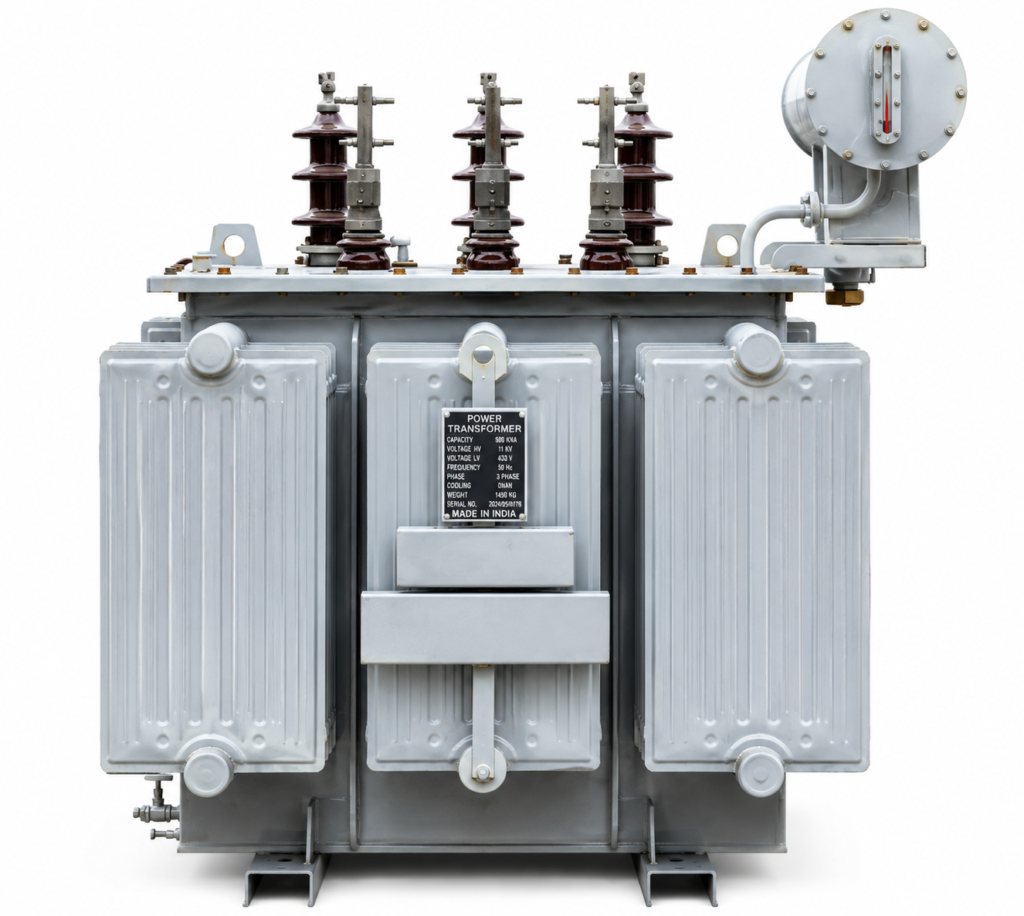
- Oil-immersed cooling
- Dry-type cooling
- Natural air cooling
- Forced air cooling
Each method offers unique advantages depending on installation requirements.
Installation Environment
Outdoor installations may require weather-resistant enclosures, while indoor environments often prioritize fire safety and ventilation.
Compliance with Standards
Ensure the transformer complies with recognized electrical manufacturing and testing standards to support long-term operational reliability.
Comparing Installation Options
Many industrial and commercial facilities choose a 3 phase pad mounted transformer because it provides secure outdoor installation while occupying minimal space. These enclosed systems improve safety by protecting energized components from unauthorized access and environmental exposure.
Similarly, a 3 phase pad mount transformer is commonly used in urban developments where aesthetics, security, and compact installation are important considerations. These units are frequently installed near commercial buildings, schools, and residential communities.
For utility-scale applications, a three phase pad mounted transformer offers dependable performance while simplifying maintenance access and supporting underground electrical distribution systems.
Maintenance Best Practices
Even high-quality transformers require periodic inspections to maximize service life.
Recommended maintenance practices include:
- Inspect insulation conditions regularly.
- Check oil levels where applicable.
- Monitor operating temperatures.
- Tighten electrical connections.
- Clean cooling surfaces.
- Test protective devices.
- Perform routine electrical testing.
Preventive maintenance helps identify developing issues before they become costly failures.
Safety Considerations
Transformer safety extends beyond installation. Proper operating procedures help protect personnel and equipment.
Important safety measures include:
- Following electrical safety standards
- Maintaining adequate clearance around equipment
- Using qualified personnel for servicing
- Installing appropriate protective relays
- Monitoring overload conditions
- Conducting routine inspections
Organizations that prioritize safety also reduce downtime and improve system reliability.
Future Trends in Transformer Technology
Electrical distribution technology continues to evolve alongside growing energy demands.
Several emerging trends include:
Smart Monitoring
Digital sensors now provide real-time performance monitoring, allowing predictive maintenance and reducing unexpected outages.
Higher Energy Efficiency
Manufacturers continue developing transformer cores with reduced losses to improve energy performance.
Eco-Friendly Materials
Environmentally responsible insulation fluids and recyclable materials are becoming increasingly common in transformer manufacturing.
Integration with Renewable Energy
As renewable energy adoption grows, transformers are being designed to support variable power generation while maintaining stable voltage output.
Choosing the Right Manufacturer
Selecting an experienced transformer manufacturer is just as important as choosing the correct transformer specifications.
Look for suppliers that provide:
- Proven engineering expertise
- Quality manufacturing processes
- Comprehensive testing procedures
- Technical support
- Custom design capabilities
- Reliable after-sales service
- Industry certifications
A reputable manufacturer can recommend solutions tailored to operational requirements while ensuring long-term reliability.
Conclusion
Reliable electrical infrastructure begins with selecting the right transformer for the application. A properly designed three phase distribution transformer improves efficiency, supports stable power delivery, reduces maintenance costs, and enhances equipment protection across industrial, commercial, and utility environments. As electrical systems continue evolving with smarter technologies and higher energy demands, investing in quality transformer solutions helps organizations maintain dependable performance for years to come. Careful planning, proper installation, and regular maintenance ensure that every transformer delivers maximum value while supporting safe and efficient power distribution.

 By
By