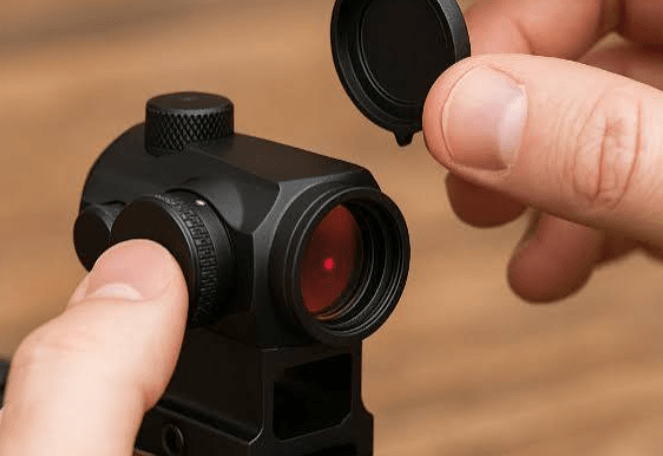

For retailers and distributors preparing to place their first order with a crossbow accessory supplier, having a structured evaluation checklist can prevent costly mistakes and help identify a genuinely capable crossbow red dot sight manufacturer among the many options available in the market today.
Manufacturing Capability Questions
What Production Processes Are Handled In-House?
Understanding whether a manufacturer controls key processes like machining, assembly, and testing internally, versus outsourcing significant portions of production, provides important insight into their actual quality control capability.
What Testing Protocols Are Applied Specifically to Crossbow Products?
Because crossbow-specific vibration and shock patterns differ from firearm applications, buyers should confirm that testing protocols account for these differences rather than relying solely on generic optics testing standards.
Product Compatibility and Specification Questions
Which Crossbow Platforms Are Mounting Systems Compatible With?
Given the variety of crossbow rail and mounting configurations on the market, understanding exactly which platforms a manufacturer’s products are designed to fit prevents compatibility surprises after products reach retail shelves.
What Reticle Options Are Available for Different Shooting Distances?
Buyers serving customers with varying shooting preferences benefit from understanding what reticle configurations are available, including multi-point aiming systems designed for extended range accuracy.
Quality Assurance and Reliability Questions
What Warranty Terms Are Offered on Finished Products?
Warranty terms often reflect a manufacturer’s genuine confidence in their product reliability. Extremely limited or vague warranty terms may signal underlying quality concerns worth investigating further before committing to an order.
How Are Defective Units Handled During Production?
Understanding a manufacturer’s internal defect rate and how quality issues are addressed during production provides useful insight into their overall manufacturing discipline and commitment to consistency.
Commercial and Logistics Questions
What Are the Minimum Order Quantities?
Minimum order requirements vary significantly between manufacturers and can significantly impact a buyer’s initial inventory investment and cash flow planning, particularly for smaller retailers testing a new product category.
What Lead Times Should Be Expected for Standard and Custom Orders?
Realistic lead time expectations help buyers plan inventory arrival around seasonal demand peaks, particularly important given the seasonal nature of much crossbow hunting activity.
What Packaging and Labeling Options Are Available?
Retailers selling under their own brand typically require private label packaging options. Confirming these capabilities early prevents delays or unexpected costs later in the ordering process.
Buyers preparing a sourcing evaluation can review available capabilities and product details through crossbow red dot sight manufacturer resources, which provide relevant information for retail and distribution partners.
Building an Effective Evaluation Process
Requesting Sample Products Before Committing
Physical samples allow buyers to personally verify build quality, mounting compatibility, and overall performance characteristics before placing larger commercial orders, reducing the risk of unpleasant surprises after committing significant capital.
Comparing Multiple Suppliers Systematically
Rather than evaluating suppliers in isolation, maintaining a consistent comparison framework across multiple potential manufacturers helps buyers make more objective, well-informed sourcing decisions.
See also: The Power of SEO for Business Growth (Beginner to Advanced)
Avoiding Common Sourcing Mistakes
Focusing Exclusively on Unit Price
Buyers who prioritize the lowest available unit price without adequately weighing quality, reliability, and support considerations often find themselves facing higher long-term costs through returns, warranty claims, and damaged customer trust.
Skipping Reference Checks
Speaking with other buyers who have existing relationships with a potential manufacturer can reveal practical insights about reliability and communication quality that are difficult to obtain through sales conversations alone.
Frequently Asked Questions
How many suppliers should buyers typically evaluate before selecting a crossbow sight manufacturer? While there is no universal number, comparing at least a few different suppliers helps buyers establish a realistic baseline for pricing, quality, and service expectations.
Is it reasonable to negotiate minimum order quantities with manufacturers? Many manufacturers are willing to discuss flexible minimum order arrangements, particularly for buyers demonstrating genuine long-term partnership potential.
What is a reasonable lead time expectation for crossbow sight orders? Lead times vary based on order size and customization requirements, making it important to confirm specific timelines directly with each potential supplier rather than assuming industry-wide standards.
Conclusion
A structured, thorough evaluation process helps buyers identify a genuinely capable crossbow red dot sight manufacturer rather than making sourcing decisions based on price alone. Taking the time to ask the right questions upfront significantly reduces the risk of costly quality or supply chain issues down the line.

 By
By