
Creating a home gym is one of the best investments you can make for your health and lifestyle. Having workout equipment at home allows you to exercise on your schedule without commuting to a commercial gym. However, setting up fitness equipment can be more challenging than many people expect. Large machines often include hundreds of parts, detailed instructions, and safety requirements that demand careful attention.
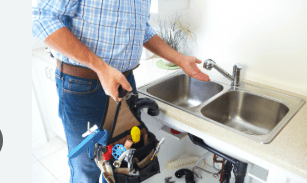
Choosing home gym assembly services ensures that every piece of equipment is installed correctly, securely, and ready for daily use. Professional assembly helps eliminate guesswork while protecting your investment and providing peace of mind.
Why Proper Home Gym Setup Matters
Fitness equipment is designed to withstand repeated movement, heavy weight loads, and regular use. Even a small installation mistake can affect performance, reduce equipment lifespan, or create unnecessary safety risks.
A properly assembled home gym provides several advantages:
- Improved equipment stability
- Better workout performance
- Increased user safety
- Longer equipment lifespan
- Reduced maintenance issues
Professional installation also allows users to begin exercising immediately without spending hours interpreting instruction manuals.
See also: Carpet Washing Service: Why Professional Commercial Carpet Care Matters
Common Challenges During Equipment Assembly
Many homeowners assume assembling gym equipment is similar to putting together standard furniture. In reality, fitness machines are significantly more complex.
Some common challenges include:
Multiple Components
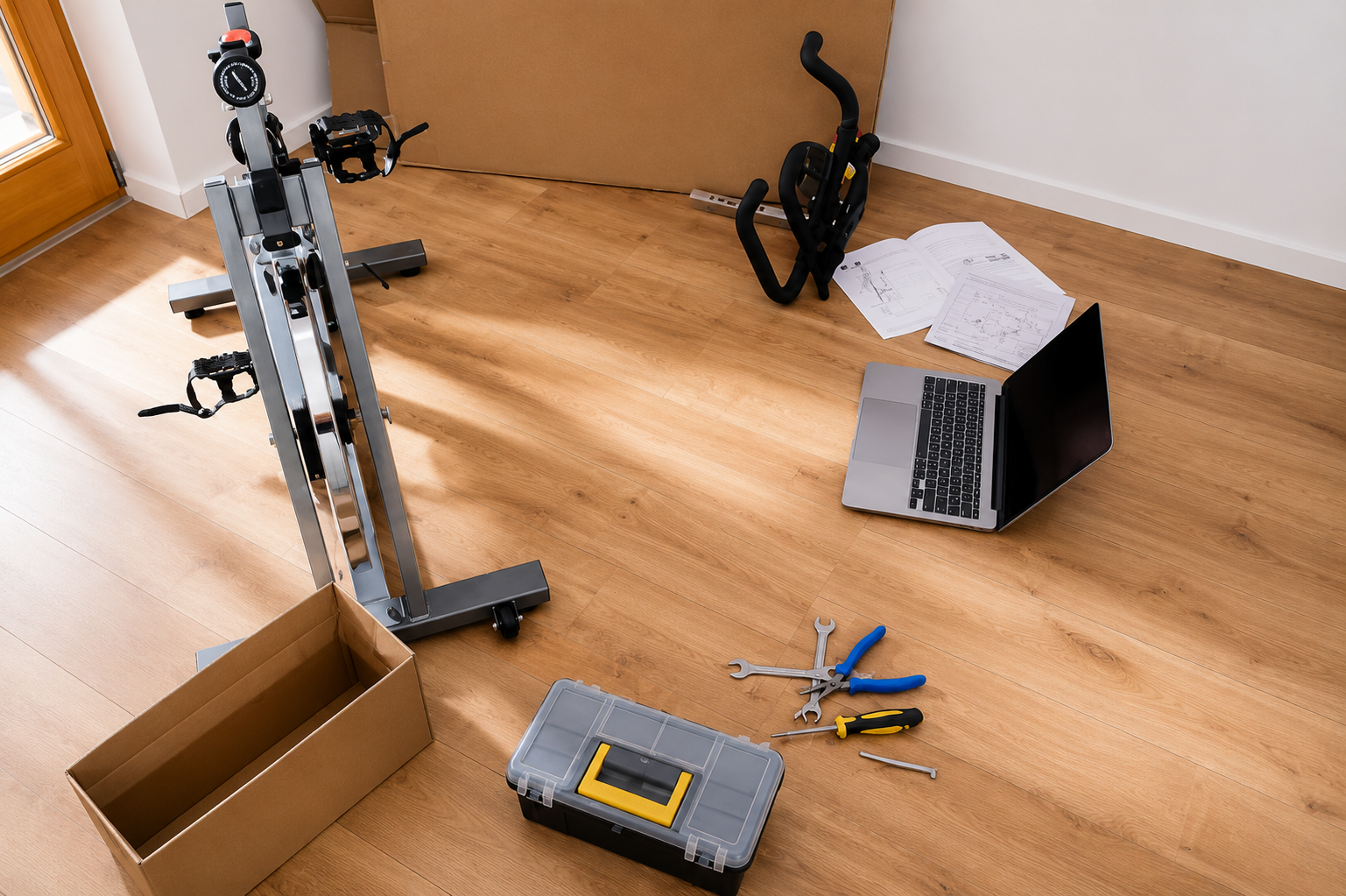
Modern equipment often arrives in several boxes containing hundreds of screws, brackets, cables, pulleys, and hardware pieces. Organizing every component correctly requires patience and experience.
Heavy Equipment
Treadmills, multi-station gyms, squat racks, and ellipticals can weigh hundreds of pounds. Moving these machines safely without damaging flooring or walls requires proper handling techniques.
Complex Instructions
Assembly manuals may contain dozens of pages with technical diagrams that can easily confuse first-time installers.
Calibration Requirements
Many machines require adjustments after assembly to ensure cables, belts, resistance systems, or moving parts function properly.
Equipment That Requires Professional Assembly
Many types of fitness equipment benefit from expert installation.
Examples include:
- Multi-functional home gyms
- Treadmills
- Elliptical trainers
- Exercise bikes
- Functional trainers
- Cable crossover machines
- Power racks
- Smith machines
- Rowing machines
- Weight benches
- Adjustable dumbbell storage systems
Each product has unique installation procedures that should be completed according to manufacturer guidelines.
Benefits of Hiring Professionals
Professional installers bring experience that goes beyond simply tightening bolts.
Correct Installation
Experienced technicians understand manufacturer specifications and assemble equipment exactly as intended.
Saves Valuable Time
Large fitness machines may require several hours to assemble. Professional services complete the process efficiently while allowing homeowners to focus on other priorities.
Enhanced Safety
Improperly installed equipment can become unstable during workouts. Professional installation helps minimize these risks through careful inspection and testing.
Protects Your Investment
Quality fitness equipment represents a significant purchase. Correct installation helps preserve performance while reducing unnecessary wear caused by assembly mistakes.
Cleaner Workspace
Professionals typically organize parts, remove packaging, and leave the workout area ready for immediate use.
Understanding the Assembly Process
Professional installation usually follows a structured process that ensures accuracy from beginning to end.
Step 1: Equipment Inspection
Installers verify that all boxes, hardware, and components have arrived without damage or missing parts.
Step 2: Organizing Components
Parts are sorted according to the manufacturer’s instructions to improve efficiency during assembly.
Step 3: Equipment Construction
Frames, moving components, cables, electronics, and accessories are assembled in the recommended sequence.
Step 4: Safety Testing
Every connection is checked for proper tightness, alignment, and stability.
Step 5: Functional Verification
Machines are tested through their complete range of motion to confirm everything operates smoothly before use.
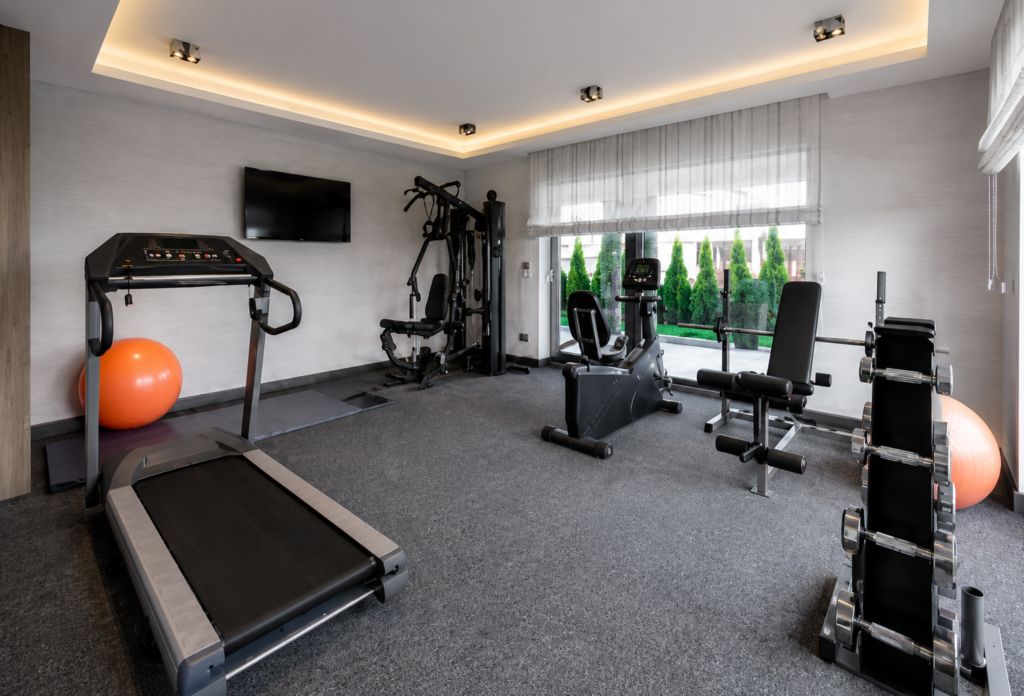
Planning the Ideal Home Gym Space
Proper planning helps maximize both comfort and functionality.
Important considerations include:
Room Dimensions
Measure available space before purchasing equipment. Leave adequate clearance around every machine for safe movement.
Flooring
Rubber flooring or protective gym mats help absorb impact while protecting finished floors from heavy equipment.
Ventilation
A well-ventilated room creates a more comfortable workout environment, especially during longer exercise sessions.
Lighting
Bright lighting improves visibility and creates a more inviting workout space.
Electrical Access
Some cardio machines require nearby electrical outlets for operation.
Choosing the Right Equipment
Not every home gym requires commercial-sized machines. Selecting equipment based on personal fitness goals creates a more practical workout environment. Consider factors such as:
- Available room size
- Fitness experience
- Exercise preferences
- Future workout goals
- Number of users
Choosing versatile equipment often provides greater value while maximizing available space.
Safety Tips After Installation
Even professionally assembled equipment requires ongoing attention to maintain safe operation.
Follow these recommendations:
- Inspect bolts periodically.
- Keep moving parts clean.
- Lubricate components when recommended.
- Follow manufacturer maintenance schedules.
- Replace worn parts promptly.
- Keep children away from equipment unless supervised.
- Avoid exceeding weight limits.
Routine maintenance helps extend equipment life while maintaining safe performance.
When to Consider Home Gym Upgrades
As fitness goals evolve, many homeowners expand their workout spaces.
Possible upgrades include:
- Additional strength stations
- Cable systems
- Free weight storage
- Functional training accessories
- Mirrors
- Audio systems
- Recovery equipment
Professional installers can often integrate new equipment into an existing gym without disrupting the original setup.
The Importance of Professional Expertise
Professional technicians understand how different brands and equipment models are designed. Their experience helps prevent common mistakes that inexperienced users may overlook.
Many homeowners underestimate how long assembly takes or how physically demanding the process can become. Hiring experienced professionals reduces frustration while ensuring equipment performs as expected from the very first workout.
For larger installations involving multiple machines, professional coordination also helps optimize equipment placement for better workflow and space utilization.
Selecting Reliable Service Providers
When evaluating installation providers, look for companies that offer:
- Experience with multiple fitness equipment brands
- Skilled installation technicians
- Careful equipment handling
- Attention to safety standards
- Efficient scheduling
- Excellent customer support
Reliable professionals prioritize accuracy rather than speed alone, ensuring every component is installed correctly before completing the project.
Conclusion
Building a home fitness space should be an exciting experience, not a stressful one. Investing in home gym assembly services helps ensure your equipment is installed correctly, operates safely, and delivers reliable performance for years to come. Whether you’re assembling a single treadmill or creating a complete fitness room, professional expertise simplifies the entire process while protecting your investment. With properly installed equipment, you can focus on achieving your fitness goals with confidence and enjoy a home gym designed for long-term success.
 By
By