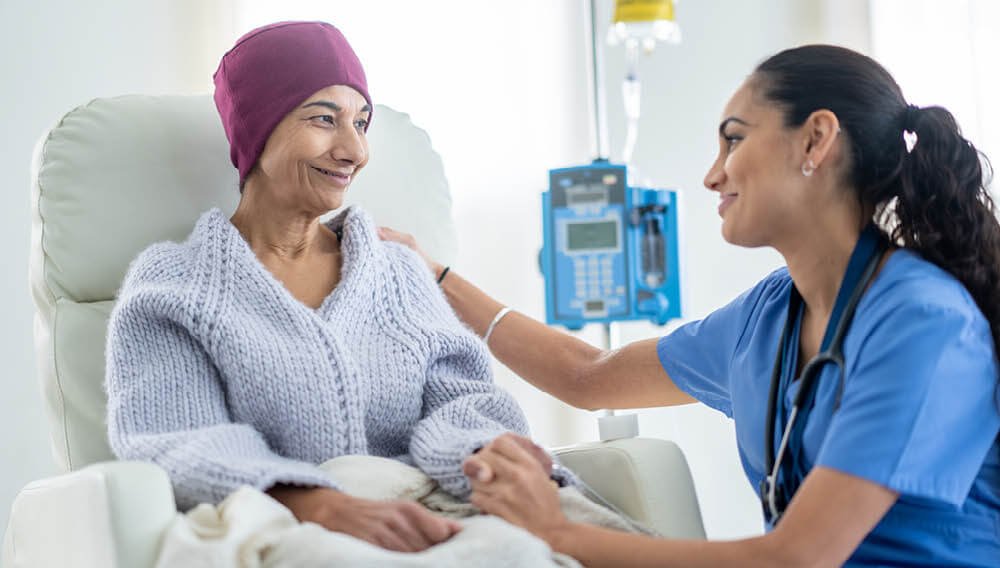

The field of oncology has advanced considerably over recent decades, reshaping how cancer is diagnosed, treated, and managed. For patients and families navigating a new diagnosis, understanding the broader landscape of this specialty can help make sense of what lies ahead.
The Three Main Branches
Oncology is typically divided into three main branches: medical, surgical, and radiation oncology. Medical oncologists manage treatment through medication-based therapies, surgical oncologists focus on removing tumors through operation, and radiation oncologists use targeted radiation to treat cancerous cells. Many patients will interact with specialists across all three branches depending on their specific diagnosis.
Advances in Treatment Approaches
Treatment options have expanded significantly beyond traditional chemotherapy, now including targeted therapies that attack specific genetic markers within cancer cells, as well as immunotherapy approaches that help the body’s own immune system recognize and fight cancer more effectively. These advances have improved outcomes for many types of cancer that were historically more difficult to treat.
The Importance of Early Detection
Screening and early detection remain among the most powerful tools in improving cancer outcomes. Many cancers, when caught at earlier stages, respond significantly better to treatment and carry a considerably better long-term prognosis compared to cancers diagnosed at more advanced stages.
A Multidisciplinary Approach
Modern cancer care increasingly relies on coordinated teams rather than a single specialist working in isolation. This typically includes oncologists, pathologists, radiologists, nurses, and support staff, all working together to design and manage a treatment plan tailored to the individual patient’s diagnosis and circumstances.
Choosing a Care Provider
Given the complexity of cancer treatment, selecting a provider with strong multidisciplinary resources and experience in the relevant cancer type is an important decision for patients. Reviewing the services offered through an oncology clinic can help patients understand what kind of coordinated care and specialist expertise is available before making a decision.
Supportive Care Alongside Treatment
Alongside direct cancer treatment, supportive care addressing pain management, nutrition, and emotional wellbeing has become an increasingly recognized part of comprehensive oncology care. This holistic approach acknowledges that quality of life during treatment matters just as much as the clinical outcomes being pursued.
See also: The Power of SEO for Business Growth (Beginner to Advanced)
Looking Ahead
Ongoing research continues to refine treatment approaches, with genetic testing and personalized medicine playing an increasingly prominent role in how treatment plans are designed. Patients today often have access to more tailored options than were available even a decade ago.
Frequently Asked Questions
What is the difference between medical, surgical, and radiation oncology? Medical oncology involves medication-based treatments, surgical oncology focuses on tumor removal through operation, and radiation oncology uses targeted radiation therapy, often used in combination depending on diagnosis.
Why is early detection so emphasized in cancer care? Cancers detected at earlier stages generally respond better to treatment and are associated with improved long-term outcomes compared to later-stage diagnoses.
What does supportive care typically involve during cancer treatment? Supportive care often includes pain management, nutritional guidance, and emotional or psychological support alongside primary cancer treatment.
Final Thoughts
Understanding the structure and advances within modern oncology can help patients and families feel more informed as they navigate a diagnosis. Choosing a care provider with strong multidisciplinary resources remains one of the most important decisions in the treatment journey.

 By
By
 By
By